

Recognising when a loved one may need residential care is never easy and for many families, it starts with small changes such as missed meals, forgotten appointments, or a home that feels unusually quiet. Over time, these signs can build up and raise an important question about whether living independently is still safe and sustainable.
Residential care is not about taking independence away, it is about creating a safer, more comfortable, and more socially connected way of living. Understanding the early signs can help families make thoughtful decisions before a crisis occurs.
1. Increasing Difficulty With Daily Tasks
One of the earliest signs that extra support may be needed is when everyday tasks become increasingly difficult. This can include forgetting to eat regular meals, relying on very simple food options, or struggling with personal hygiene and dressing. Around 13% of people aged 65+ in England need help with at least one daily activity such as washing, dressing, eating, or moving around. Financial tasks can also become confusing, leading to unpaid bills or mistakes.


While occasional forgetfulness is normal with age, a consistent decline in the ability to manage daily life may indicate that additional support is required. Residential care can help by offering structured assistance while still respecting dignity and independence.
2. Noticeable Changes In Health Or Medication Management
Health concerns often become more complex as people age, and this can show in several ways. Some individuals may miss medication doses or accidentally take them twice. Others may experience more frequent falls and hospital visits, as research shows that falls are the leading cause of injury in older adults in England.
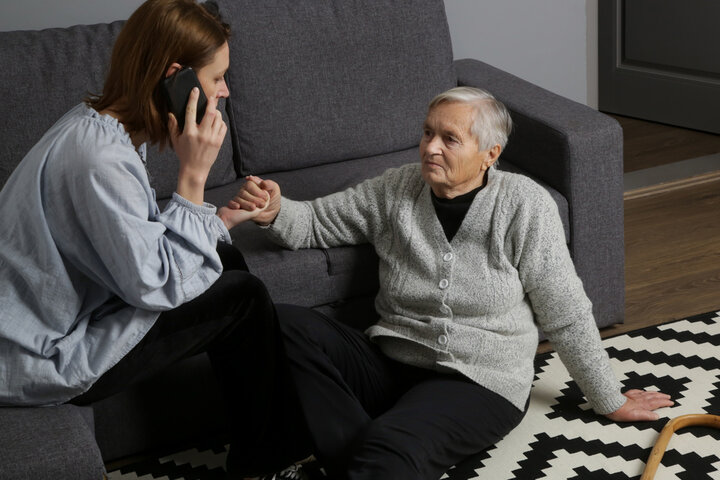

In a residential care setting, medication is managed carefully by trained professionals. This reduces the risk of errors and ensures that health changes are monitored closely. Regular observation also means that any concerns can be addressed quickly, helping to maintain overall wellbeing.
3. Increased Loneliness Or Social Withdrawal
Age UK reports that over 2 million people in England aged 75 and above live by themselves, and more than 1 million older adults go for over a month without talking to a friend, neighbour, or family member. Loneliness is a significant concern for older adults and can have a serious impact on both emotional and physical health. Many people begin to withdraw when they lose confidence, mobility, or regular social contact. This may look like spending most of the day alone, losing interest in hobbies, or reducing communication with friends and family.
Residential care helps to address this by providing daily companionship and social interaction. Shared meals, group activities, and regular conversation with carers and other residents create a sense of belonging. This social environment can greatly improve mood, confidence and overall quality of life.
4. Concerns About Safety At Home
Safety is often one of the strongest reasons families begin to consider residential care. This may become evident if falls or near misses become more frequent, or if appliances such as ovens or taps are left on accidentally. Some individuals may become disoriented in familiar surroundings or struggle to respond to emergencies.
A home that once felt safe can become increasingly risky without the right support. Residential care environments are designed to be accessible, and supervised at all times. This provides families with reassurance that their loved one is safe and supported around the clock.
5. Care Needs Becoming Too Much For Families Or Carers
Many families do their best to care for loved ones at home, often while balancing work, family life, and other responsibilities. Over time, this responsibility can become overwhelming. Family carers may begin to feel exhausted, emotionally strained, or find it increasingly difficult to provide consistent support, especially as care needs change or become more complex. Sleep disruption, stress, and a constant sense of worry can also begin to affect their own health and wellbeing, even when they are doing everything possible to cope.


Residential care is not about giving up or stepping back from responsibility. It is about sharing that responsibility with trained professionals who can provide consistent, safe, and reliable care every day. It also ensures that needs are met in a structured environment where support is always available, rather than relying on individuals who may already be stretched thin. This allows families to return to focusing on their relationship with their loved one, spending meaningful time together rather than managing the demands and pressure of full-time caring.
Conclusion
Deciding on residential care is never straightforward, and it is completely natural for families to feel uncertain or emotional when considering this step. However, recognising the signs early can make the process much smoother and less stressful for everyone involved. When daily tasks begin to feel difficult, health needs increase, safety at home becomes a concern, or loneliness starts to affect wellbeing, it may be time to explore additional support options.
Taking action early also allows families to plan carefully rather than responding in a moment of crisis. It creates space for thoughtful conversations, visits to care homes, and a better understanding of what level of support will truly improve day-to-day life. In many cases, families find that the move to residential care brings unexpected relief, not only for the individual receiving care but also for loved ones who may have been carrying a heavy responsibility for some time.
Respite care can also be a helpful way to experience a care home on a short-term basis before making any long-term decisions. It offers families and individuals the chance to see what life in a residential setting feels like, with access to professional care and daily support. This trial period can ease uncertainty, build confidence, and help everyone understand whether a care home is the right fit. For many, it provides reassurance that moving into permanent care can be a positive and comfortable transition when the time is right.
Residential care is ultimately about improving quality of life in a safe and supportive environment. It provides safety, companionship, and dignity while helping individuals continue living with comfort, respect, and a renewed sense of wellbeing. With the right care, many people rediscover routine, social connection, and reassurance that their needs are being met consistently and professionally.
If you are considering care options for a loved one, Maples Care Home in Bexleyheath offers a warm and supportive environment where residents receive personalised residential care tailored to their individual needs.