Deciding when it is time to move into a nursing home is rarely straightforward. There is no single age, diagnosis or event that means someone must move into nursing care. Instead, families often reach this point when a loved one’s health needs, mobility or ability to manage safely at home have changed. If you are wondering when is it time to move into a nursing home, it can help to look at the level of support a person needs each day and whether those needs can be safely met at home.
At Maples Care Home in Bexleyheath, we understand that considering nursing care can bring many questions. Families may worry about losing independence, leaving a familiar home or making the wrong decision. These feelings are understandable. Moving into a care home is a significant change, so taking time to understand the options can help everyone feel more confident about what comes next.
What Does Nursing Care Involve?
Nursing care is for people who need ongoing support from registered nurses alongside assistance with everyday life. A person may need nursing care because they are living with a long-term health condition, have become increasingly frail or require regular clinical support. It is also different from residential care because registered nurses are available to provide clinical care as part of the support offered. This can be important for people whose needs have become more complex and cannot be managed safely through occasional visits or support at home.
The aim is not simply to provide medical care. A good nursing care environment should also support the person’s dignity, preferences and quality of life. Everyday routines, relationships and personal interests remain important parts of life in a care home.
Signs It Might Be Time To Consider Nursing Care
There is no checklist that can make the decision for a family, as circumstances can differ. However, certain changes may indicate that a person needs more support than they can reasonably receive at home.
One common sign is increasing difficulty with everyday activities. Someone may struggle to wash and dress themselves, prepare meals or move safely around their home. They may need more frequent assistance with personal care or find that activities that were once manageable have become difficult.
Falls can also prompt families to reconsider the current care arrangements. A single fall does not necessarily mean that a person needs nursing care. However, repeated falls or increasing concerns about safety can be a reason to seek professional advice.
Changes in health can be another important factor. Some people need regular monitoring or support because of a long-term condition. Others may have experienced a sudden deterioration following an illness or hospital admission. Medication can also become more difficult to manage independently. If a person is regularly forgetting medication, taking incorrect doses or becoming confused about their prescriptions, it is sensible to discuss their needs with an appropriate healthcare professional.
Reduced mobility and increasing frailty may also mean that more support is required. Frailty refers to a reduced ability to recover from illness or physical stress. It can affect people in different ways and does not necessarily mean that someone has lost their ability to make decisions about their own life.
When Care Needs Become More Complex
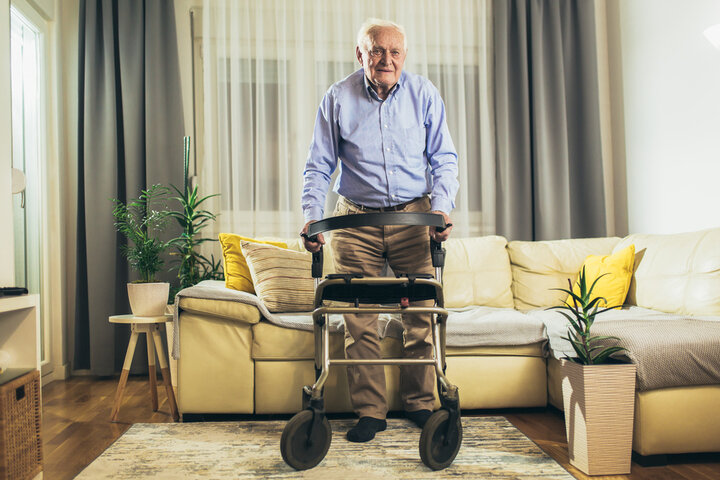
Sometimes the question of nursing care arises because a person has developed more complex health needs that goes beyond regular assistance. This could happen after a stroke, following an illness or as a long-term condition progresses. A person may require wound care, support with certain treatments or closer monitoring of their health. The type of care required will depend on their individual circumstances.
It is important not to assume that a particular diagnosis automatically means someone needs a nursing home. People living with the same condition can have very different needs. Following thhis, a healthcare professional can help assess what level of care is appropriate. Depending on the circumstances, this may involve speaking with a GP, community healthcare team or hospital discharge team. A care needs assessment can also help identify what support may be available.

What If Family Members Are Struggling To Provide Care?
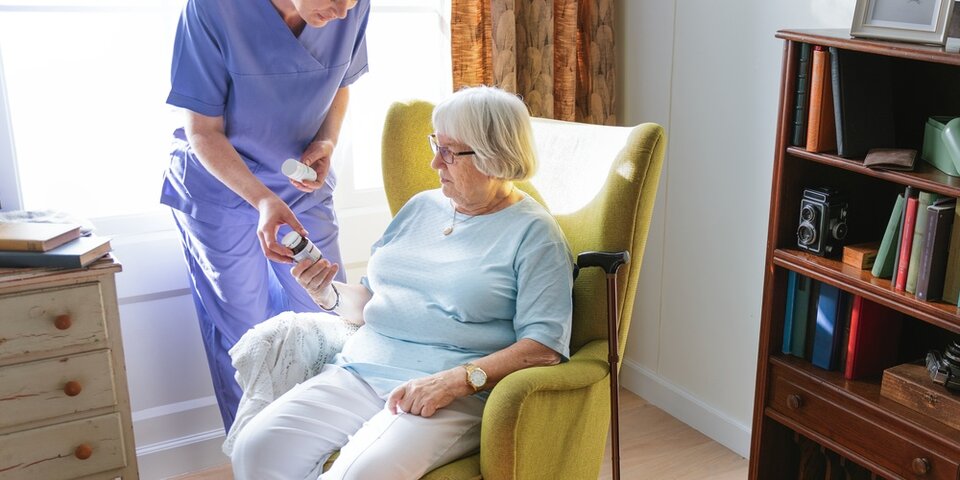
Family members often provide a great deal of support at home. This can include helping with personal care, meals, appointments and medication. Families may gradually take on more responsibility as a loved one’s needs increase. While family support can be extremely valuable, it is important to consider whether the arrangement remains manageable for everyone involved.
If relatives are becoming exhausted, worried about leaving someone alone or unable to provide the level of care required, it may be time to explore other options. This is not a sign that a family has failed. Sometimes a person’s needs simply become greater than relatives can safely meet alongside their own responsibilities. Having professional care in place can also allow family relationships to remain focused on spending time together rather than managing every aspect of care
Involving Your Loved On In The Decision
Where possible, your loved one should be involved in conversations about their care. It can be tempting for families to focus entirely on practical considerations such as health needs and safety. These are important, but it is also worth asking what matters to the person.
They may have concerns about leaving their home, unfamiliar surroundings or changes to their routine. Talking openly about these worries can make the process less daunting. If someone has difficulty communicating their wishes or has cognitive changes, families and professionals can still look for ways to understand their preferences. Information about their life, routines and interests can be valuable when planning care.


Deciding When It's Time
Ultimately, the right time to consider nursing care is when a person's needs can no longer be safely or comfortably met through their current arrangements. This may happen gradually or following a significant change in health.
The decision should take account of the person's wishes as well as their care and health needs. Seeking advice early can give families more time to understand their options without feeling rushed.
Nursing care should provide more than clinical support. It should create an environment where people can maintain dignity, relationships and as much independence as possible while receiving the care they need.
If you would like to learn more about nursing care at Maples Care Home in Bexleyheath, our team would be happy to speak with you and answer any questions you may have.
Frequently asked questions
What age do people usually move into a nursing home?
There is no specific age at which someone should move into a nursing home. Nursing care is based on a person's individual health and care needs rather than their age. Some people may need nursing support at a relatively young age while others may remain at home into later life.
Does needing help with personal care mean someone needs nursing care?
Not necessarily. Needing help with washing, dressing or other everyday activities does not automatically mean nursing care is required. Residential care or support at home may be suitable depending on the person's wider needs. A professional assessment can help identify the most appropriate type of care.
Can someone move into nursing care after a hospital stay?
Yes. Some people move into nursing care following a hospital admission when their needs have changed and returning home may not be suitable. The hospital team can help assess what support is needed and discuss available care options.
Can families be involved in a resident's care?
Yes. Family involvement can be an important part of person-centred care. Relatives can share information about preferences and routines and take part in care planning discussions where appropriate. Visiting and regular communication can also help families remain connected to their loved one.
What if my loved one does not want to move into a nursing home?
This can be a difficult conversation, so where possible, involve your loved one in discussions about their care and try to understand what is causing concern. A healthcare professional can help explain the available options and assess whether their current arrangements remain safe and suitable.
Looking for nursing care in Bexleyheath? Get in contact with our friendly team today. We would love to show you around and answer any questions you may have.